U.S.-Iran Agreement Signed and in Effect: What This Means for International Maritime Transport



U.S.-Iran Agreement Signed and in Effect: What This Means for International Maritime Transport
The agreement was signed ahead of schedule—it was originally set for today, Friday—and was signed digitally, taking effect as of today. This is no minor detail: the ceasefire and the reopening of the Strait of Hormuz are no longer just expectations but have become an operational reality, following nearly four months of a blockade that has severely impacted international maritime trade.
President Trump has confirmed the immediate reopening of the Strait of Hormuz and the end of the U.S. naval blockade in the area. Iran, for its part, guarantees that passage will be free for all authorized commercial vessels for 60 days.
And after those 60 days?
That is the point to watch closely: the agreement does not specify what will happen next. Iran will negotiate with Oman and the other Gulf countries regarding the future administration of the strait. Iranian negotiator Qalibaf has already indicated that Iran will defend its sovereignty over the waterway, which could result in some kind of future cost. But as of today, nothing has been confirmed, so it’s advisable to follow these negotiations closely in the coming weeks.
What does this mean for freight forwarders and supply chains?
- A 60-day window at no cost. A key moment to resume pending shipments.
- Lower risk of escalation. More leeway for shipping lines and insurers to begin normalizing conditions on the route.
- The technical phase begins. Delegations from both countries are traveling to Geneva today to finalize the 14 points of the agreement.
- Caution is advised. The fact that the agreement is in effect does not mean that traffic will return to normal immediately.
At Global Cargo System, we’re closely monitoring every development in these negotiations so we can keep you informed as accurately as possible. Do you have pending cargo bound for the Middle East, or are you considering resuming routes to the Gulf? We’d be happy to advise you with no obligation.
Update Strait of Hormuz
The Reopening of the Strait of Hormuz
More News
 Uncategorized
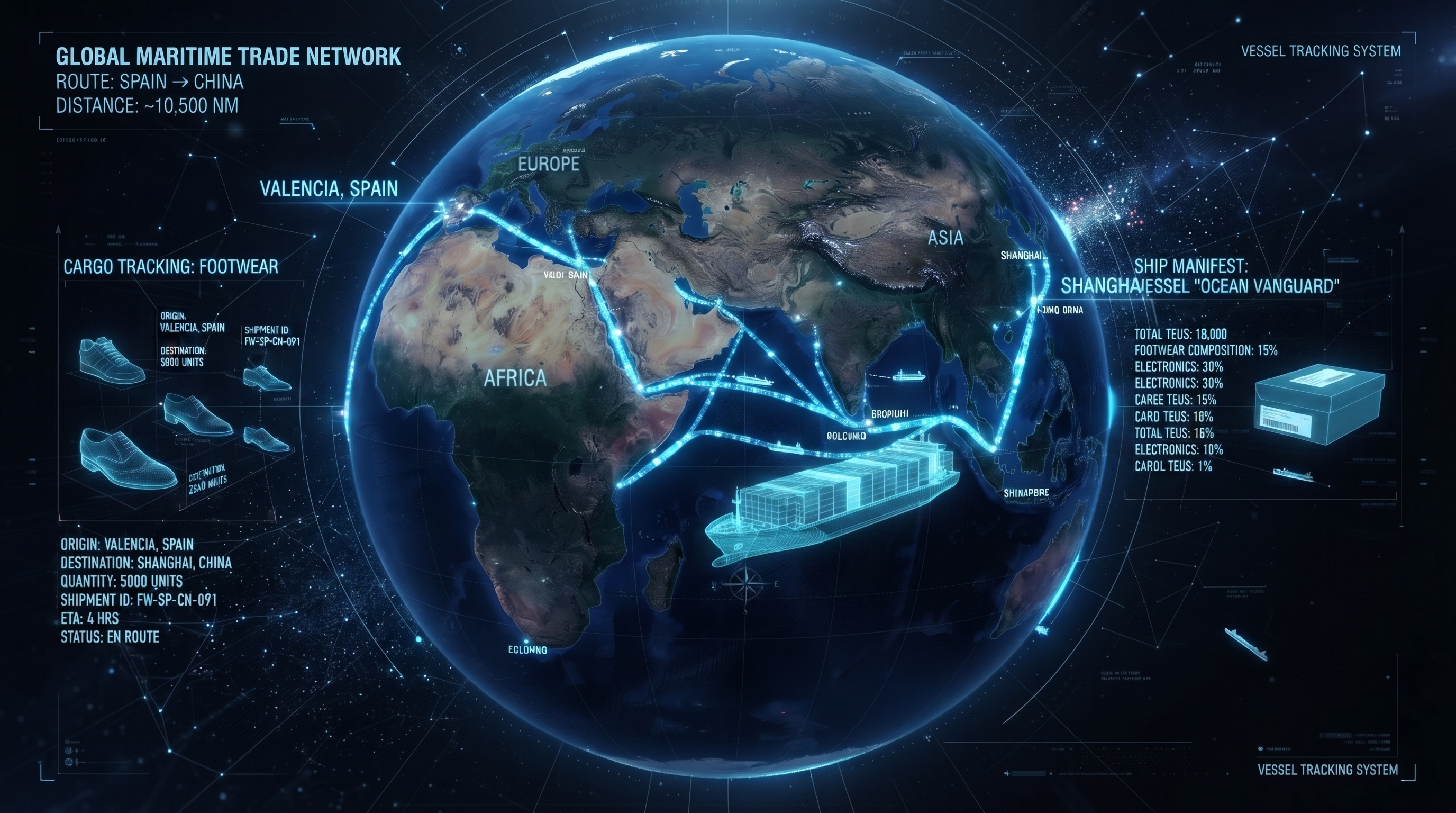
Footwear: Logistics from China
From China to Any Destination: Key Aspects of Footwear Logistics Footwear operates on its own schedule: collections are released during specific sales windows (summer and winter campaigns), and much of the manufacturing remains concentrated i...
 Uncategorized
The World Cup and Uncertainty in the U.S. Drive Up Shipping Costs
International shipping costs are rising again just before the start of summer. According to the latest report from the consulting firm Drewry, as reported by the trade publication El Canal Marítimo y Logístico, the average ...