Update Strait of Hormuz
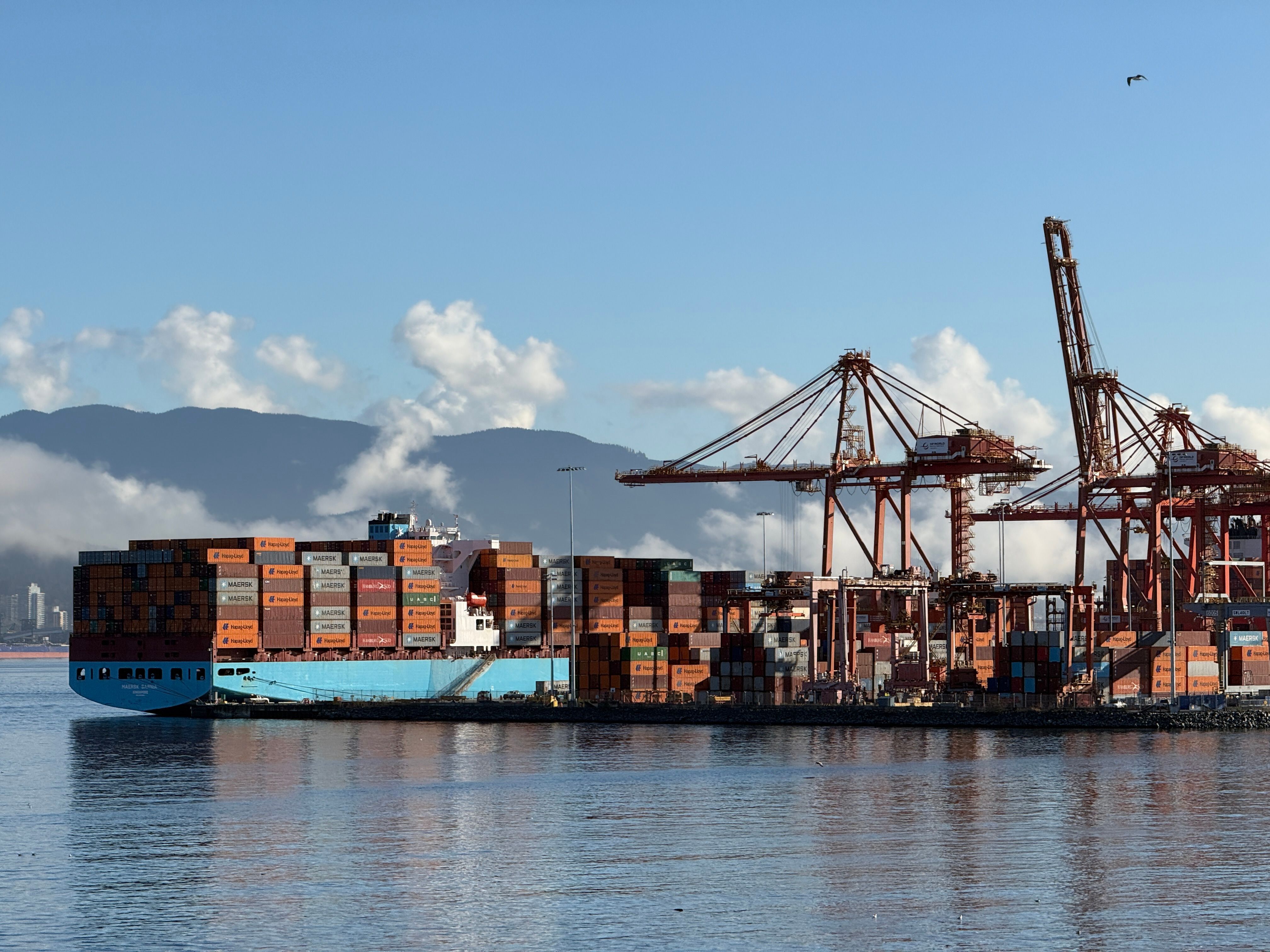


Update: What Has Happened in the Strait of Hormuz Since Friday’s Agreement
On Friday, we reported that the United States and Iran had signed an agreement establishing a 60-day truce and reopening the Strait of Hormuz. Since then, several developments have taken place that are worth summarizing, as the situation has taken more than one turn.
The weekend brought tension: Iran announced the closure of the strait in protest of Israeli attacks in Lebanon, and Trump responded by threatening to impose tolls himself if negotiations failed—only to deny it hours later. The initial talks in Switzerland got off to a rocky start: the Iranian delegation even walked out of the room in protest of new statements by Trump on social media.
Today, Monday, however, the tone has changed. The United States and Iran have agreed to create a high-level committee that will work on a roadmap toward a final agreement within 60 days, with working groups focused on the nuclear program, sanctions, and conflict resolution. And the development that interests us most as an industry: a direct line of communication has been established between Tehran and Washington with a very specific goal—to ensure the safe passage of merchant ships through the Strait of Hormuz.
The tensions over the weekend have not derailed the negotiation process. On the contrary, a step was taken today that directly affects our sector: for the first time, there is a formal mechanism designed specifically to prevent incidents in maritime traffic through the Strait of Hormuz. This is a positive sign, although the situation remains fluid, and it is advisable to follow the upcoming rounds of negotiations closely.
At Global Cargo System we’re monitoring this situation on a daily basis. If you have pending cargo bound for the Middle East or want to understand how this might affect you, please contact our team. We’ll advise you with no obligation.
The World Cup and Uncertainty in the U.S. Drive Up Shipping Costs
U.S.-Iran Agreement Signed and in Effect: What This Means for International Maritime Transport
More News
 Uncategorized
What does 2026 hold in store for us?
Outlook and trends for the future of international logistics Global logistics is undergoing its biggest turning point in decades. What was once a support function has become the strategic heart of companies. In 2026, efficiency will no longer be ...
 Uncategorized
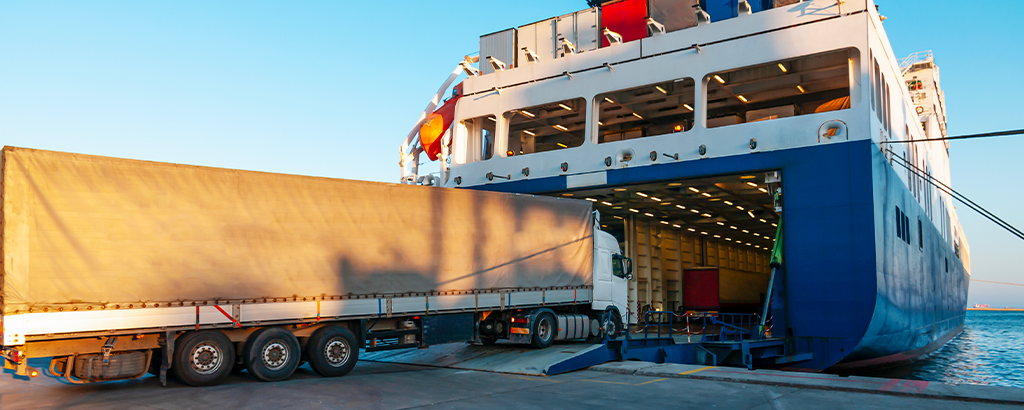
Spain Allocates 11.8 Million Euros to Companies That Transport Goods by Ship Instead of by Road
The Ministry of Transport and Sustainable Mobility has awarded 11.8 million euros to 32 transportation and logistics companies. This is the final round of funding under the third and last call for proposals of the maritime eco-incentive program...