The World Cup and Uncertainty in the U.S. Drive Up Shipping Costs
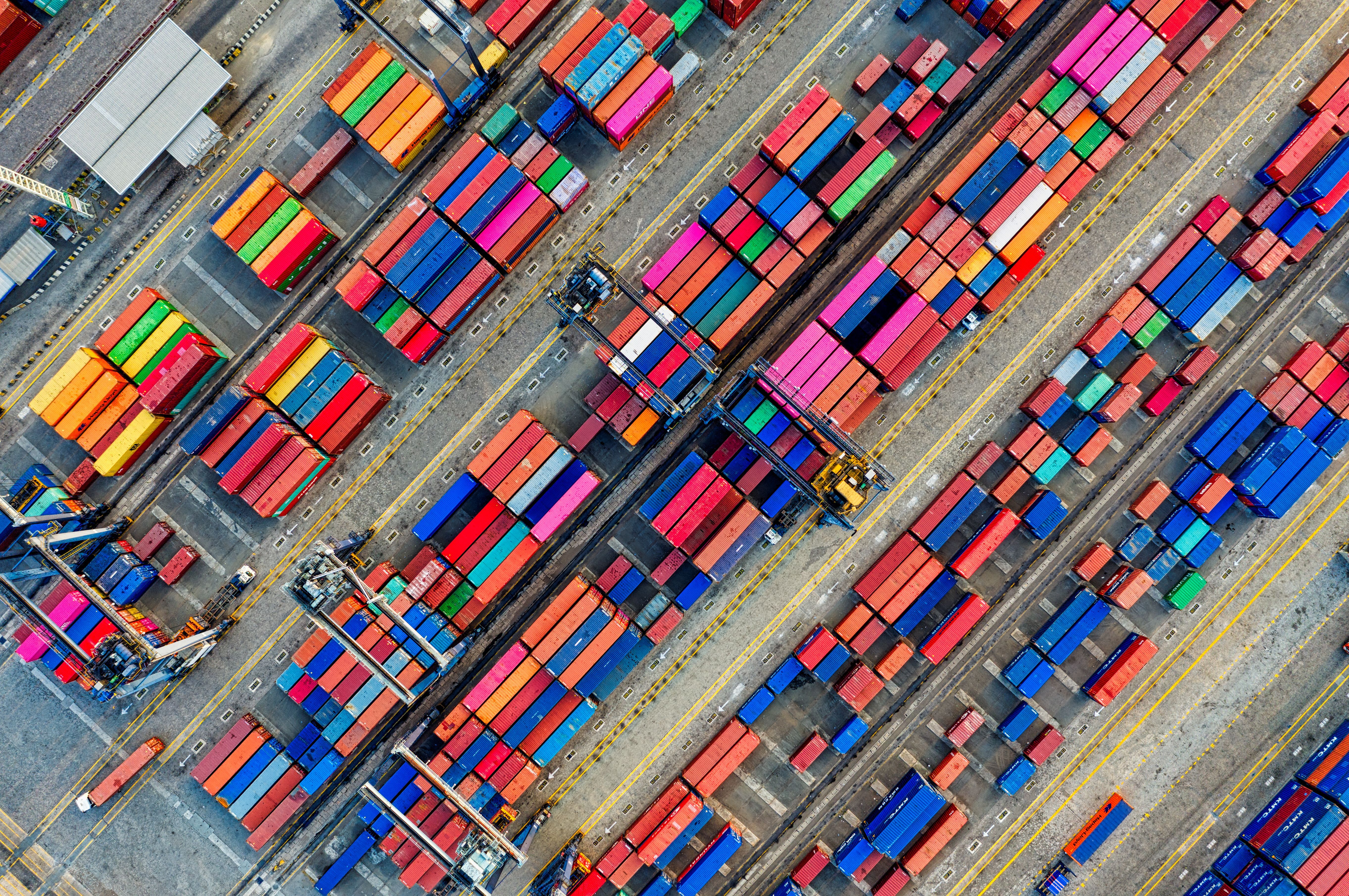


International shipping costs are rising again just before the start of summer. According to the latest report from the consulting firm Drewry, as reported by the trade publication El Canal Marítimo y Logístico, the average freight rate for an import container from Asia has risen sharply in recent weeks on several key routes, reaching levels not seen in months.
This increase shows that the peak shipping season has suddenly arrived early. At Global Cargo System we explain the three main reasons why companies are having to plan their purchases further in advance than ever before:
- Fear of New Taxes and Tariffs in the United States
- The "2026 World Cup Effect"
- Europe is also suffering from a lack of space and longer routes
The main reason for this increase is precaution. Faced with uncertainty that the United States might change its trade laws or raise tariffs soon, many companies have decided to secure their goods and place orders en masse ahead of schedule. This has caused ships traveling from Asia to the Americas to fill up much sooner than usual, driving prices up significantly on key routes such as those connecting Shanghai with New York or Los Angeles.
Compounding the political situation is the biggest sporting event of the year. With the World Cup being held in the United States and more than 1.2 million tourists expected to arrive, local businesses and retailers need to restock sufficient supplies of products, clothing, and food to meet this enormous demand. This situation is forcing a constant and urgent flow of goods, overwhelming ports and Pacific shipping routes
This problem does not only affect the Americas; routes to Europe are also feeling the pressure, which has been exacerbated in recent months by the crisis in the Strait of Hormuz, where the conflict in the Middle East kept hundreds of ships blocked for weeks. Although the recent truce between the parties has allowed traffic to begin returning to normal, thousands of ships remain stranded or are still being evacuated, so available capacity in the market continues to be constrained. Added to this are new surcharges that some shipping companies are already applying on the route between Asia and Europe. Freight rates on trade routes to European ports such as Rotterdam and Genoa have risen significantly in recent weeks.
To manage this surge in demand, major international shipping companies are already imposing mandatory “peak season” surcharges to secure space on ships. Congestion at several key ports reflects this strain, with a growing number of ships and containers being held up while waiting to dock.
Experts predict that pressure on freight rates will continue over the coming weeks. In such a volatile market with ships running at full capacity, the only way to protect companies’ budgets is through foresight and planning ahead.
At Global Cargo System , we closely monitor daily market developments to offer our clients the best space options, alternative routes, and cost control, helping companies navigate this summer’s volatility as efficiently as possible.
Spain Allocates 11.8 Million Euros to Companies That Transport Goods by Ship Instead of by Road
Update Strait of Hormuz
More News
 Uncategorized
LCL vs FCL shipments: differences and how to choose
Container shipping is mainly offered in two modes: FCL and LCL. Making the right choice has an impact on cost, security, and delivery time. Below, we explain what each option consists of and how to decide. What are FCL and LCL? FCL (...
 Uncategorized
Footwear: Logistics from China
From China to Any Destination: Key Aspects of Footwear Logistics Footwear operates on its own schedule: collections are released during specific sales windows (summer and winter campaigns), and much of the manufacturing remains concentrated i...